Omarvo- Shop on the go!!
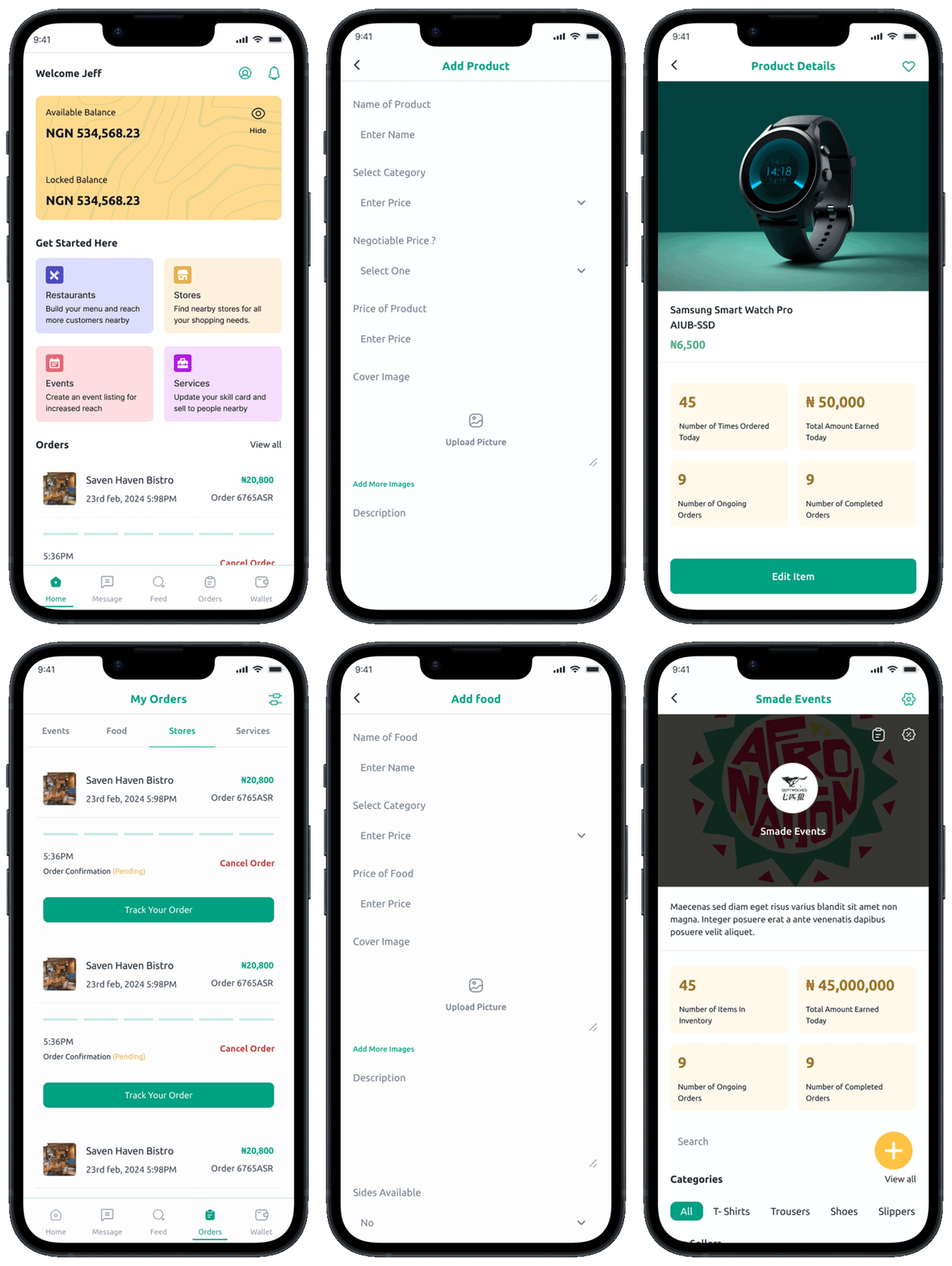
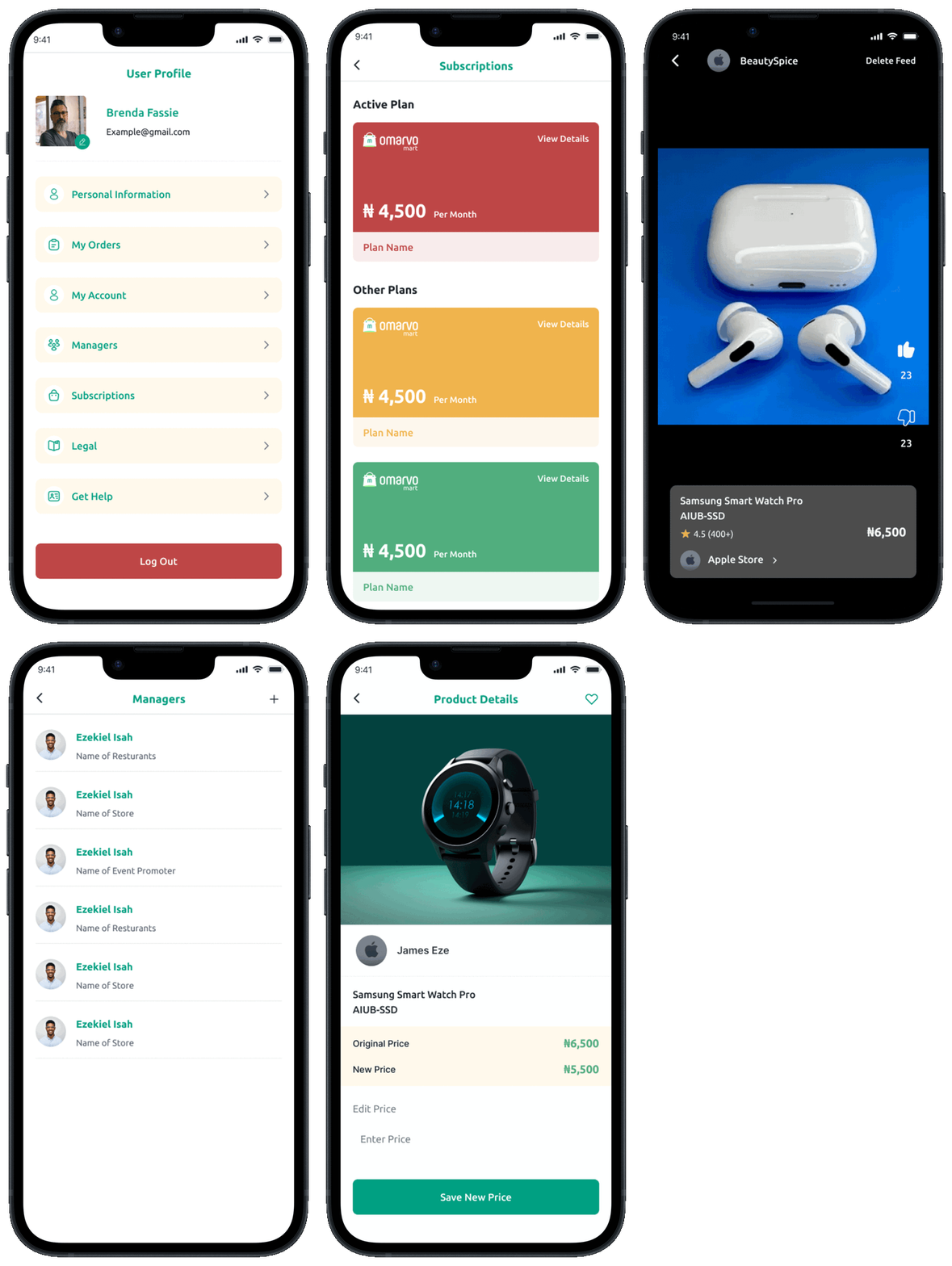
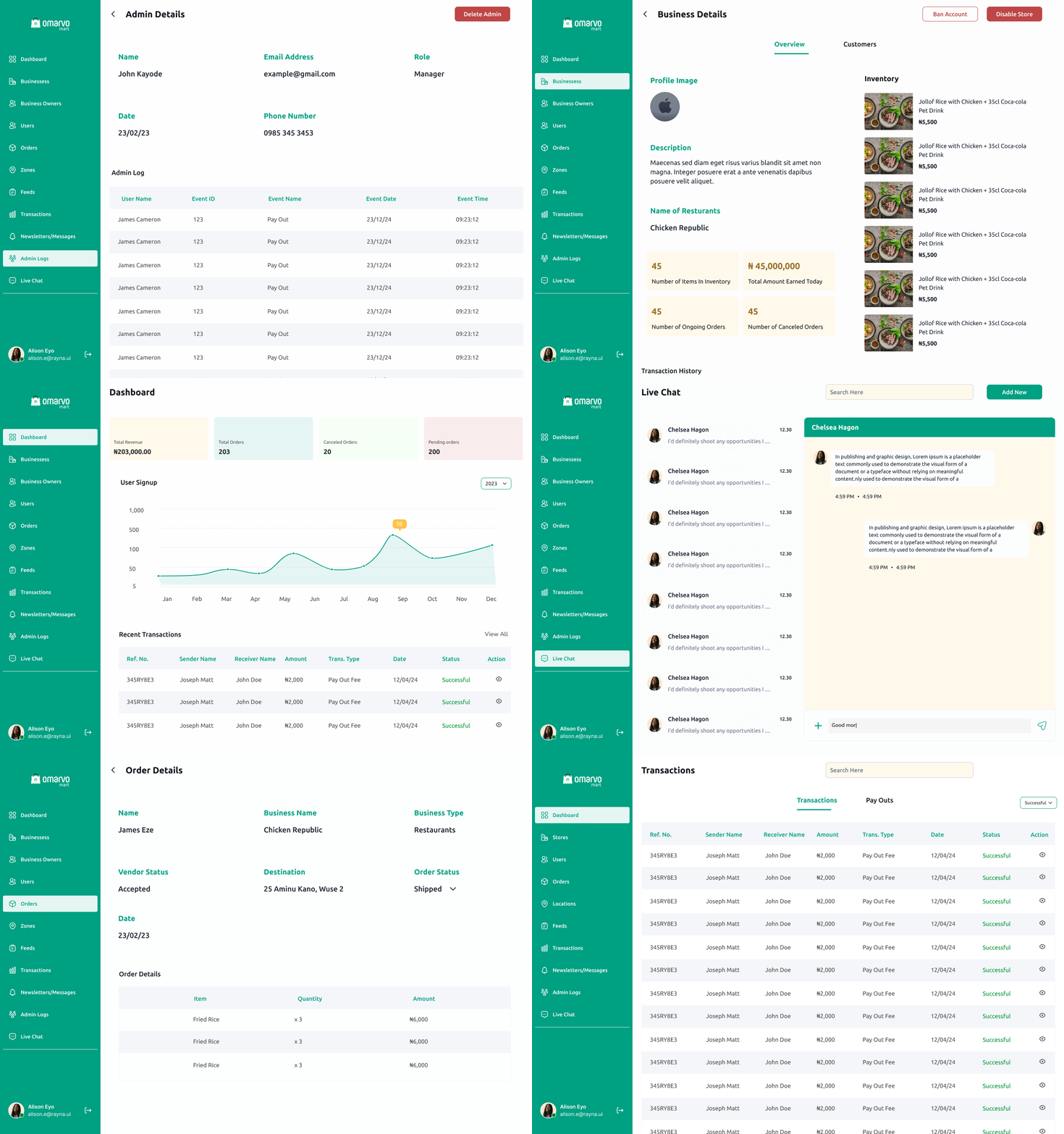
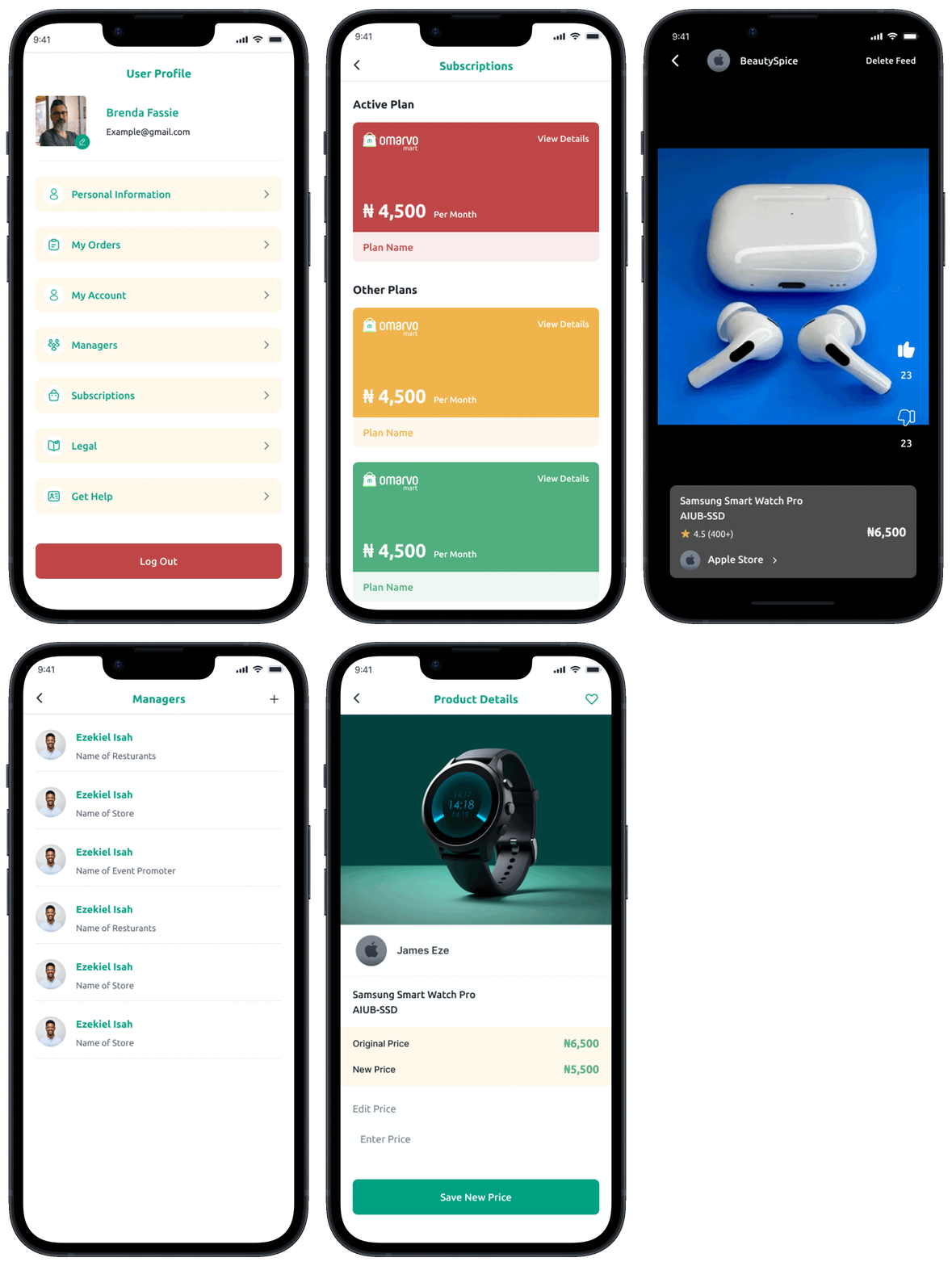
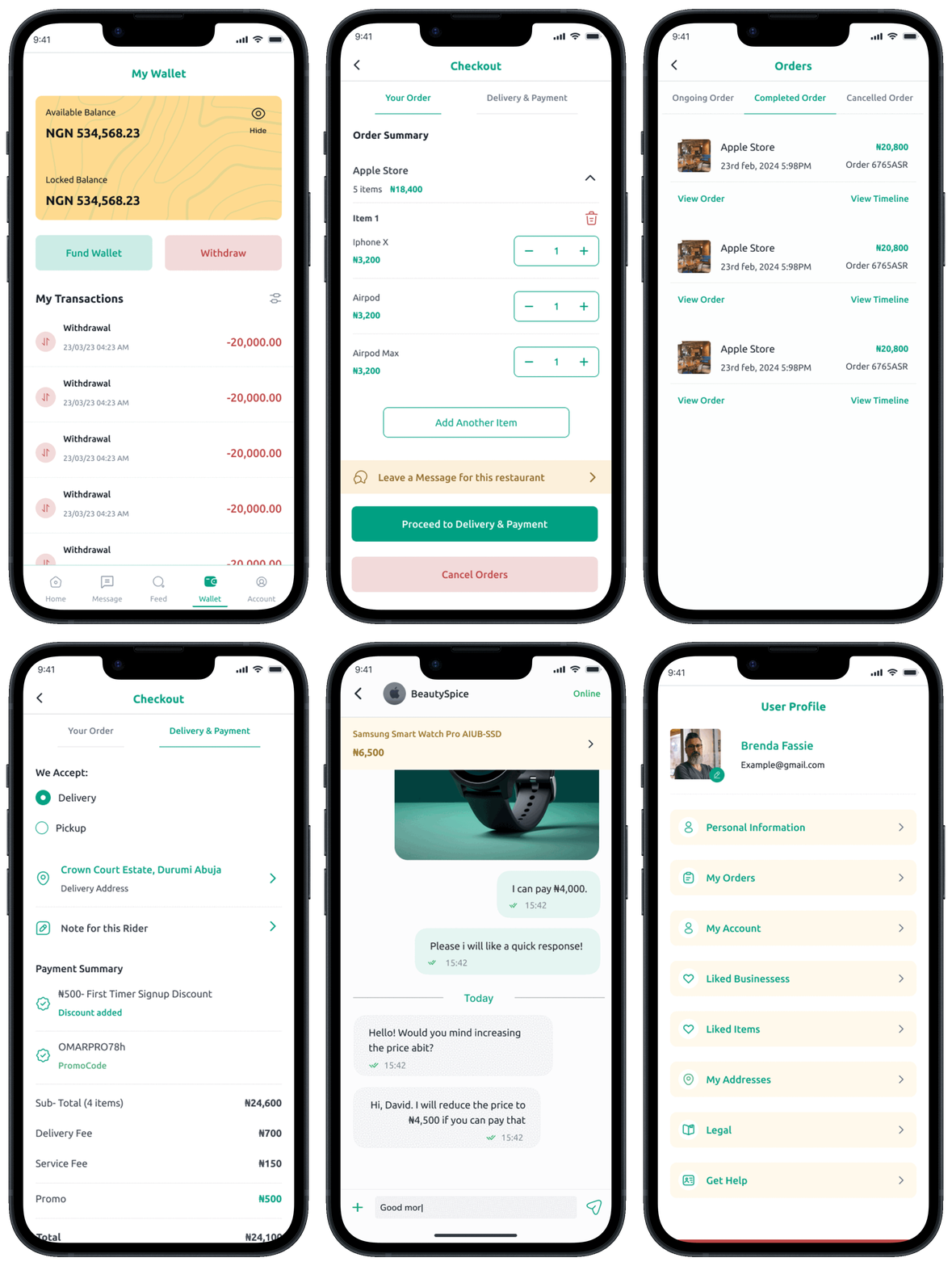
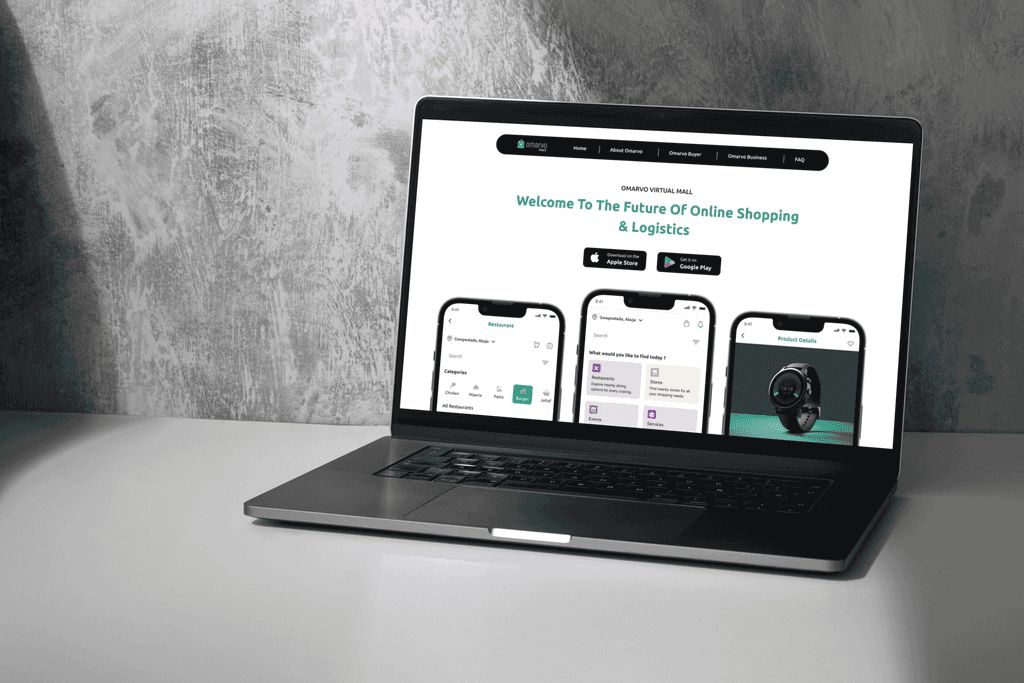
Omarvo is a full suite digital product that helps solve the issue of marketing and distribution of goods for small or medium scale business, it forms an umbrella that covers
E-Commerce ( Stores, Restaurants, Events, Artisans )
Service Providers (Business Owners)
Logistics and Delivery
End User (Consumers)
Lead Product Designer, Encompassing UX Research, Interaction Design, and Prototyping.
6 Months
Figma, Notion, Google Docs,
Abuja, NG
2024
E-Commerce
Challenge
Problem Statement:
E-commerce businesses and consumer marketplaces are facing a challenge in creating a seamless user experience that caters to both buyers and sellers. While existing platforms offer functionalities for transactions, there's a gap in effectively addressing the needs of both parties.
On the Buyer side, issues may include:
Cumbersome checkout processes leading to cart abandonment.
Lack of trust and transparency regarding seller reputation and product quality.
On the Seller side, challenges may include:
Limited control over product presentation and difficulty in standing out from competitors
Inefficient tools for managing inventory and customer interactions
This case study aims to develop a UI/UX solution that bridges these gaps and fosters a thriving ecosystem for both buyers and sellers within an ecommerce and consumer marketplace platform.
Objectives
Enhance User Experience (UX) for Buyers:
Increase product discovery rate through improved search, filtering, and personalized recommendations.
Boost buyer confidence by implementing seller reviews, product certifications, and clear return policies.
Reduce cart abandonment rate by streamlining the checkout process and offering multiple payment options.
Empower Sellers:
Provide sellers with user-friendly tools to create visually appealing product listings with detailed descriptions and high-quality images.
Improve seller efficiency through functionalities for managing inventory, orders, and customer communication.
Increase seller satisfaction by offering competitive commission fees and transparent marketing opportunities.
Process
Phase 1: Discovery & Research
To be able to build a useful and valued product, conducting a competitor analysis is an important method to keep ahead of the curve, as it allows you to understand the strengths and weaknesses of existing competitors (Jumia, JiJi and Amazon), identify gaps in the market, and determine the unique value proposition of your platform.
To conduct this analysis, i identified several key competitors in the E-commerce space and researched their offerings, including their user interface, functionality, payments and transaction process, and any value-added services.
I also examined the target audience of competitors and identified gaps in the market that our new platform could fill. For example,
JUMIA:
No escrow services for secure transactions
Counterfeit products can damage consumer trust
Limited product selection
Delayed deliveries and poor communication from customer service
JIJI:
Limited control over product quality and seller reputation
Dependence on user-generated content and potential for scams
There is no Integration of escrow services for secure transactions
Inability to track purchased goods en route
AMAZON:
Potential for higher product prices due to import costs and duties
Complexities in managing logistics across a vast continent
Limited understanding of specific African consumer needs and preference
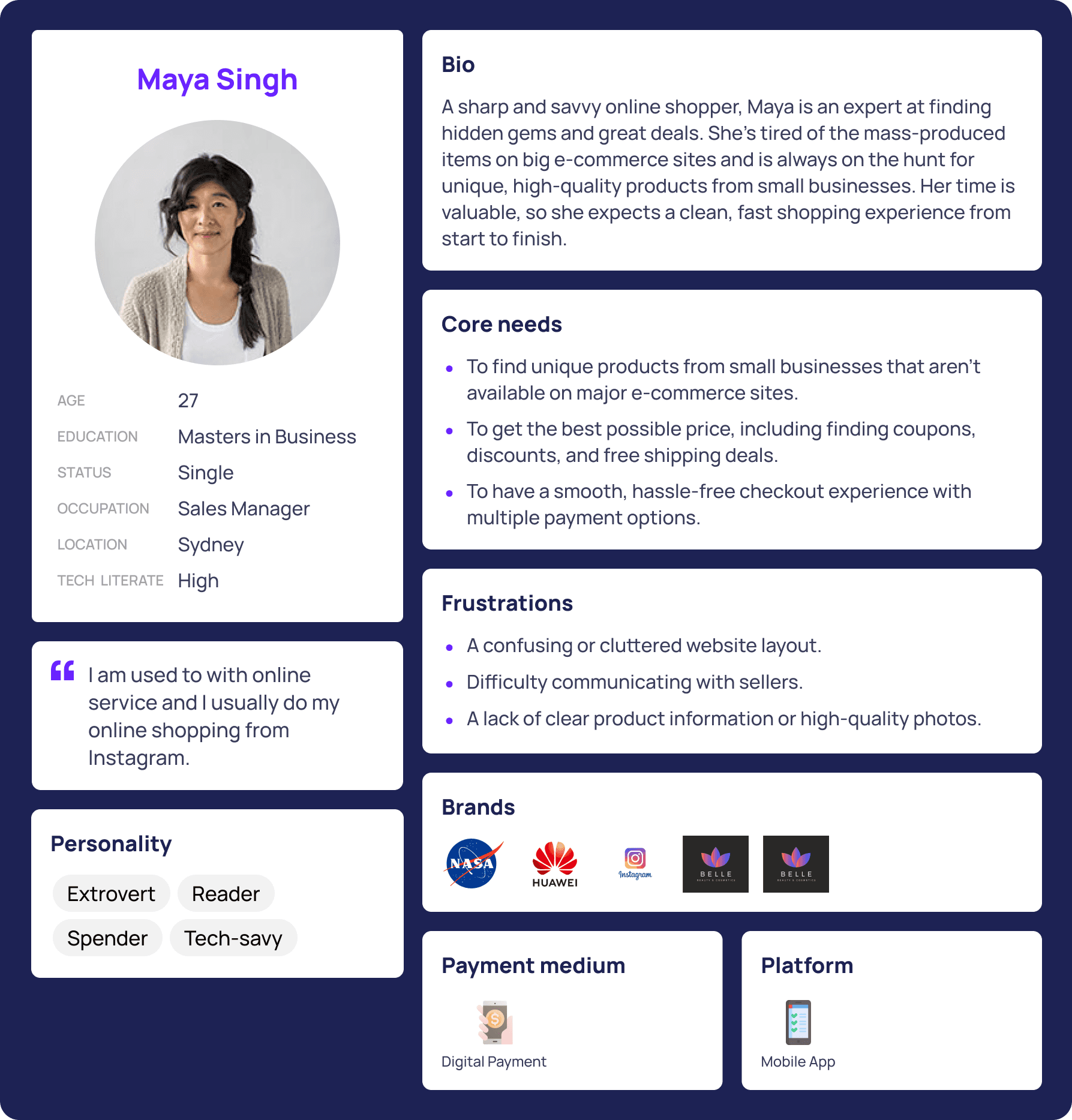
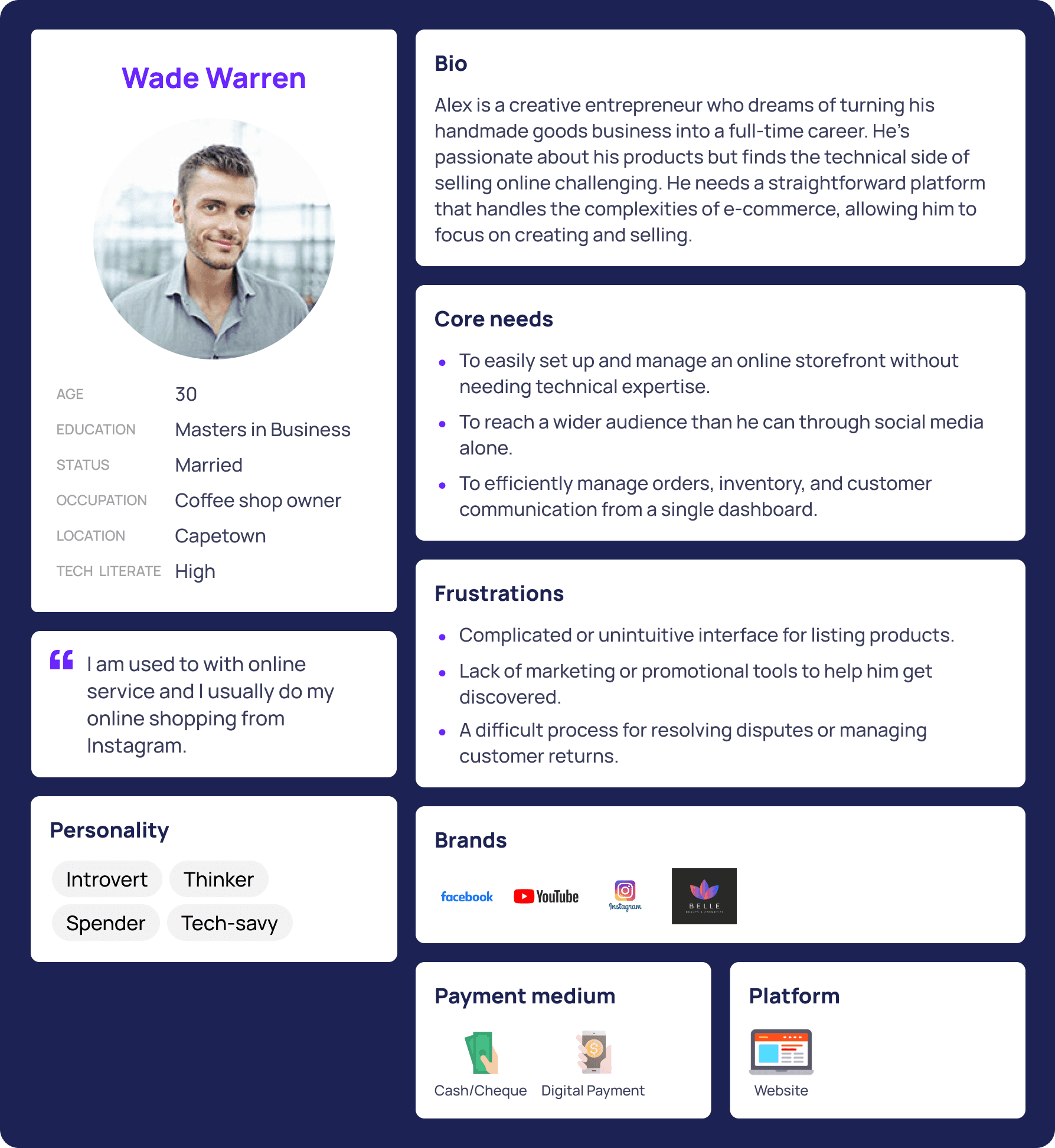
User Personas synthesized from data gotten during User Interviews and Surveys
To gather better insights i went further than a competitive analysis, i employed other UX design methodologies like
User Interviews: Conducted semi interviews with 8 local Online vendors (various mediums) and 8 frequent e-commerce clients in Abuja & Lagos to understand their pain points, needs, and expectations regarding an online art marketplace.
Surveys: Distributed an online survey (using Google Forms) to a wider audience of online shoppers in Lagos to gather quantitative data on their purchasing habits, and concerns